Software

  • Claude Code
  • Figma
  • Adobe Suite

Skills

  • AI Empowered Design Process
  • UX Research
  • UI Design
  • UX Design
  • Prototyping
  • Design Systems Creation
  • Branding
  • Animation
  • Communication

Product Designer, Pretoria, South Africa

I build meaningful connections between people, ideas and design.

Product UX, design systems and brand work.

Introduction

I believe design starts with planning and ends in both stakeholder and client trust.

Consistency across every touch point is what turns a product into a brand people recognise and rely on. I work across product UX, design systems and brands. My work is intentional and holds together as it scales.

Role
Product Designer
At
IoT.nxt, a Vodacom company
Since
Aug 2022
Based
Pretoria, South Africa
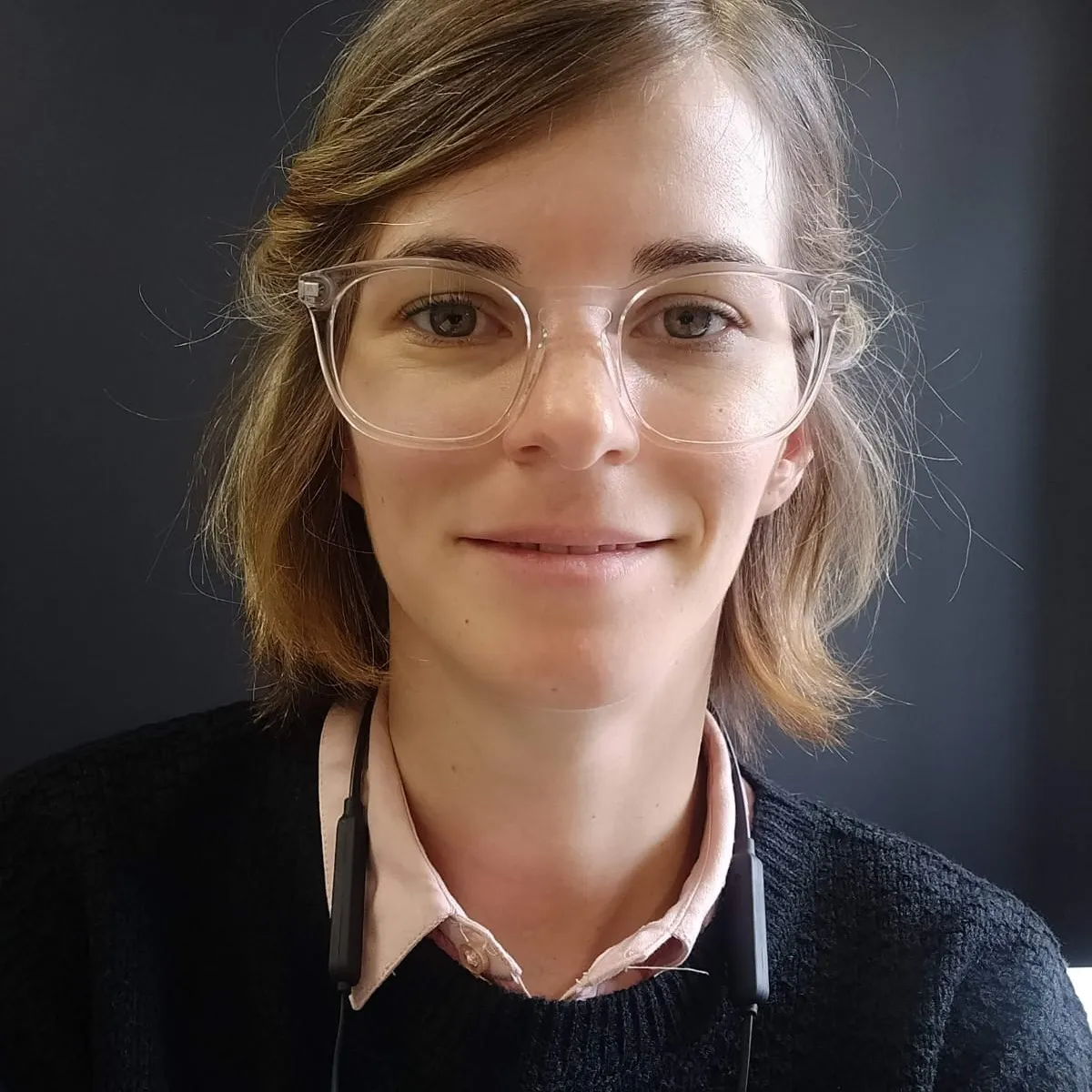
Grethe Gultig, product designer

Selected work

Complex systems, made usable.

2026

Nexa AI

The platform's in-product AI assistant. A chat panel that lives right alongside whatever screen an operator is working on. It knows the context of what's in front of them, plus the admin controls behind the scenes that determine who gets access, how much they can use, and which model powers it.

  • Product design
  • AI
  • User testing
  • Claude Design
Read the case study

Press play to use the working prototype: ask it about the page, drag the panel wider, switch on the content selector, open its settings, or collapse it to the sparkle.
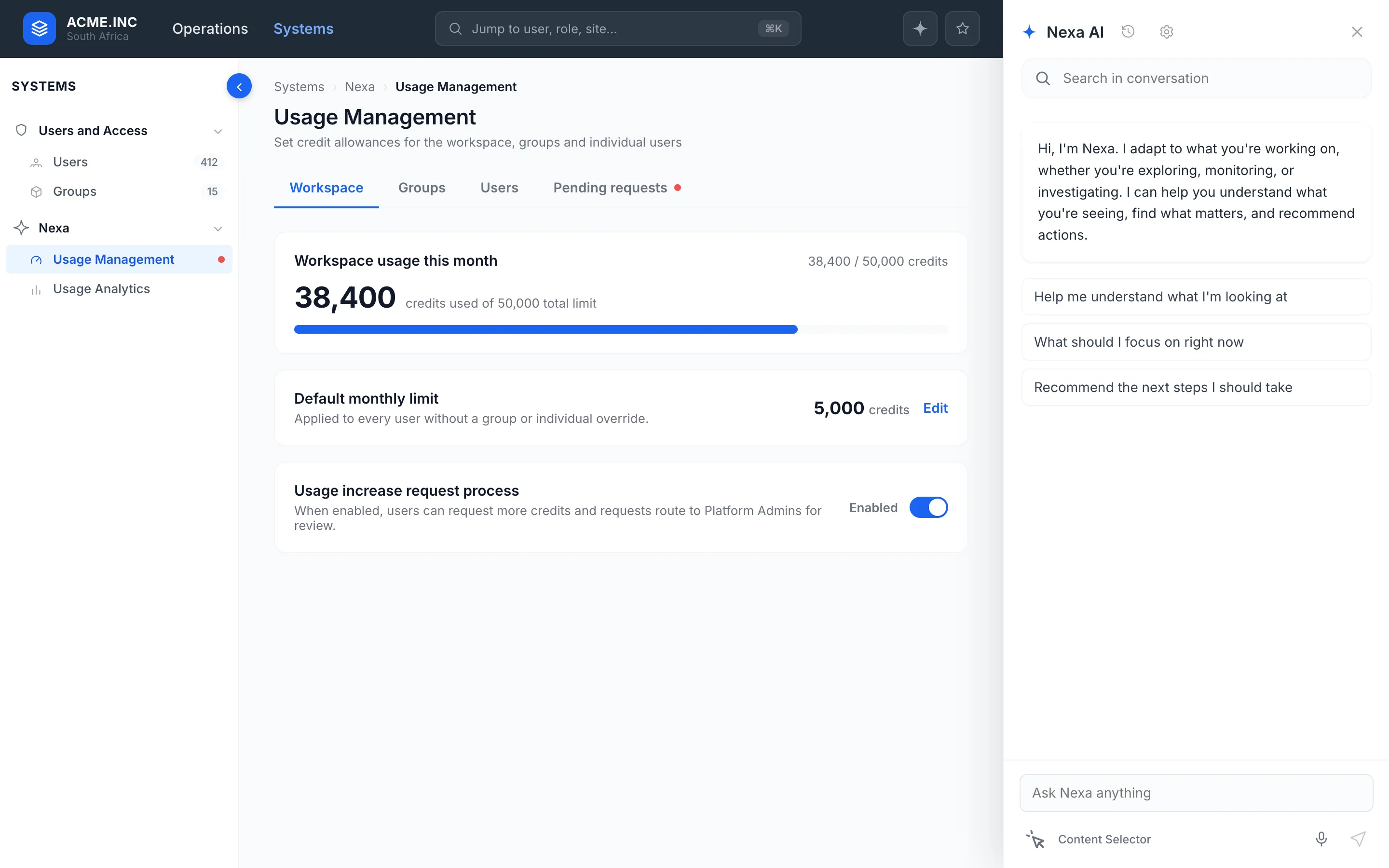
Nexa AI docked as a panel beside the Usage Management screen, offering three prompts to start from
Still Open in a new tab

2026

IoT.nxt website

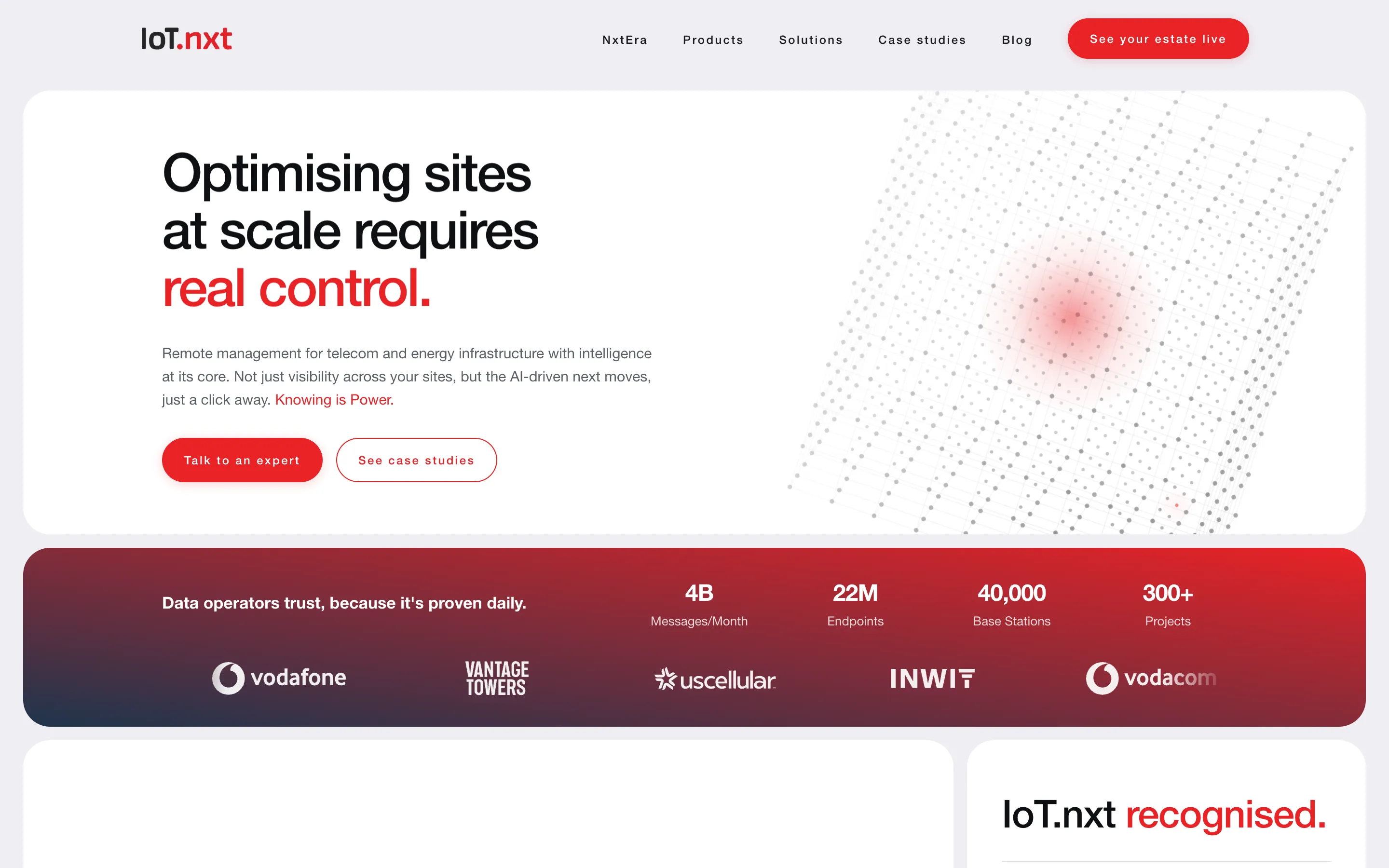
The company site redesigned from survey to build: product-led positioning, a light and precise visual system, designed and built as code with Claude Code. Now in review.

  • Web design
  • Brand
  • Claude Code

Press play to load the real site in the window: the entrance animation, hover states and scrolling are the real thing, on the review build.

The IoT.nxt homepage hero: Optimising sites at scale requires real control
Still Open in a new tab
The IoT.nxt homepage on a phone, at the Every asset. One platform. section

2023 to 2026

Design Systems

Two design systems, three years apart. The first I was tasked to draw from scratch in Figma, in light and dark, and it taught me what a system is and how it scales. The second I built alongside Claude as code, on a Flowbite base with the product's own custom Figma components, in a repo the developers share.

  • Design systems
  • Figma
  • Claude Design
  • Flowbite
Read the case study

An operations dashboard built from the regenerated library: switch the theme, move between tabs, toggle the site controls, filter the chart.

Operations / Estate overview
Sites online +0.4%
1,284 / 1,300
Active alarms −12%
47 across 9 regions
Energy today −3.1%
18.4 MWh
Fuel at risk +2
6 generators < 20%

Power draw across the estate

kW, last 24 hours, all regions

00:0004:0008:0012:0016:0020:00now

Alarms

Newest first

  • Midrand North · GEN-02 Generator failed to start on mains loss
    2m
  • Polokwane East · BAT-11 Battery bank below 20% with 40 min autonomy
    9m
  • Umhlanga Ridge · HVAC-4 Shelter temperature 41°C, HVAC not responding
    14m
  • Soweto West · MET-7 Electricity meter reading gap of 3 intervals
    31m
  • George Central · GEN-05 Scheduled test run overdue by 2 days
    1h

Sites needing attention

Ranked by risk, refreshed a minute ago

SiteRegionStatusLoadFuel
Midrand North Gauteng Critical 92% 18%
Polokwane East Limpopo Major 71% 44%
Umhlanga Ridge KZN Major 64% 81%
Bloemfontein CBD Free State Watch 58% 63%
George Central W. Cape Healthy 39% 92%

Midrand North

Site controls

Critical
  • Generator auto-start
  • Load-shedding mode
  • HVAC eco schedule
  • Remote lock
Built from the library. Everything is live.

Process

Design means to plan. AI changes how much of the plan you can test.

Most of my work is the information architecture and design of IoT remote management software: the alarm pages, dashboards, reports, inventory and audits that operators, technicians and executives share on one platform, across industries, over thousands of device types that each behave differently. Good UX does not remove that complexity. It makes it logical and manageable. Nothing in it exists in isolation, so the process has to be systematic: learn what people actually do, give it a structure that can absorb the next module, prove it as something working, then respond to what comes back.

  1. Every model, human or machine, has training data, blind spots and an objective it was optimised for. Asking one LLM to analyse user research is like testing with one user. So I run the same research prompt through three models, then have a fourth synthesise them: where they agree, where they conflict, what all of them missed. It is Andrej Karpathy's LLM Council applied to UX, and it turns weeks of desk research into an afternoon that still has to be checked against real people.

    Feedback from interviews, usability tests and support gets tagged into four buckets: pain points, feature requests, UX improvements, competitor mentions. Tags turn scattered notes into patterns that can be measured over time.

  2. A new module should not start from an empty canvas. I define repeatable templates for layout, navigation, data hierarchy and interaction logic, powered by a component library, so a new area plugs into a framework that already accounts for the complexity. Colour tokens live in the components, which makes light and dark a one-step switch rather than a second design pass.

    This is where the systems thinking happens: present needs against the roadmap, standardisation against industry nuance, one user's task against the logic of the whole platform.

  3. Pick the tool for the stage the idea is at. Early, the fastest thing that lets a room react. Later, something that already looks like the product. I design in Figma and build in Claude Code, which means a direction can be judged as a working interface at real widths, with real copy and real motion, instead of a static frame. The prompt matters as much as the tool: role, task, context, constraints, format.

    Test before you design, prototype or code anything for real. The IoT.nxt website above was made this way, and what the team received was a site already standing up.

  4. With everyone using AI, speed stops being an advantage. Knowing how to respond to what users say is the advantage. Prototypes go into surveys and sessions with the people who will use them, and what comes back changes the design, as it did with Nexa's entry point.

    I also write my own Claude Code skills to sharpen the thinking before anything ships. One, called grill-me, interviews me relentlessly about a plan or a design until every branch of the decision tree is resolved. Others check a build for accessibility, for whether it matches the mental models users already carry, and for the timing of hover states and animated interactions.

Education

A design degree, kept current

  • 2026 IBM AI Product Manager Professional Certificate Coursera, 10-course series
  • 2025 AI Design Bootcamp Memorisely
  • 2024 Google UX Design Specialization Coursera, 7-course series
  • 2024 Interaction Design: Dashboards & Data Visualization LinkedIn Learning
  • 2012 to 2016 BA Information Design University of Pretoria